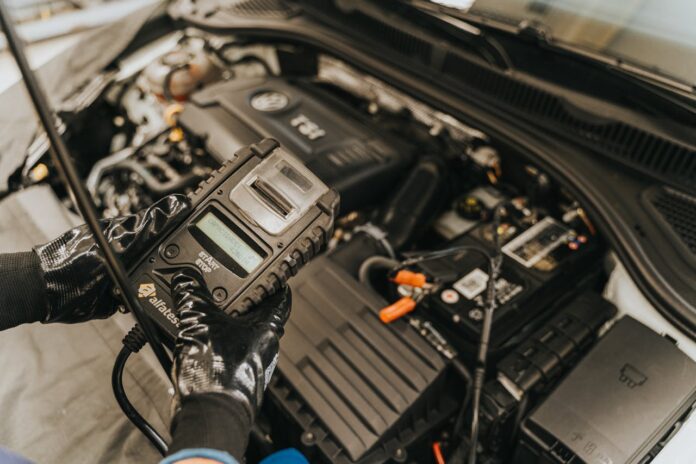
When you think about car maintenance, you might picture oil changes, tire rotations, or brake checks. But have you ever paused to think about the crucial role car lubricants play in keeping your vehicle running smoothly? Car lubricants may not be glamorous, but they are essential to your engine’s health and overall performance.
Let’s dive deep into what car lubricants are, why they matter, and how they work to keep your ride at its best.
What Is Car Lubricant?
Simply put, car lubricants are special oils or greases designed to reduce friction between moving parts in your vehicle’s engine and other components. These lubricants create a protective film on metal surfaces, preventing wear and tear, overheating, and corrosion.
The most common car lubricant people know is engine oil, but the world of lubrication includes a variety of products like transmission fluids, gear oils, and greases—all tailored for specific tasks within your vehicle.

Why Is Lubrication Crucial for Cars?
Engines are intricate machines composed of hundreds of moving parts working together at high speeds and temperatures. Without proper lubrication, these metal surfaces would rub against each other, creating friction that leads to overheating, part damage, and even engine failure.
Lubrication not only reduces friction but also helps:
- Cool the engine: By carrying heat away from critical parts.
- Clean engine parts: Through detergents in oil that trap dirt and debris.
- Protect against corrosion: By creating a barrier against moisture and contaminants.
- Improve fuel efficiency: By reducing energy loss due to friction.
Without car lubricants, your vehicle simply wouldn’t last very long—making lubrication a cornerstone of automotive reliability.
Types of Car Lubricants You Should Know
Understanding the different types of lubricants available can help you maintain your car better:
- Engine Oil: Lubricates internal combustion engines; varies by viscosity (thickness) and type (conventional, synthetic, or blends).
- Transmission Fluid: Specialized lubricant for automatic and manual transmissions to ensure smooth gear shifts.
- Gear Oil: Used in differentials and transfer cases; thicker and designed to endure high pressure.
- Grease: For parts like bearings or chassis components needing heavy-duty lubrication.
- Brake Fluid: Though not a lubricant in the traditional sense, it’s essential for maintaining your vehicle’s braking efficiency.
Using the right lubricant for each component is critical to maintaining vehicle performance and longevity.
When and How to Check Your Lubricant Levels?
Regularly checking your car’s lubricant levels is one of the simplest yet most important maintenance habits. For engine oil, most cars have a dipstick that lets you check oil levels and condition:
- Park your car on level ground and let it cool.
- Pull out the dipstick, wipe it clean, then reinsert and remove again.
- See where the oil level lies between the minimum and maximum marks.
- Observe oil color—clean oil is amber; dirty oil appears dark or gritty.
If levels are low, topping off or scheduling an oil change is necessary. Transmission and gear oils usually require professional checking, but many mechanics include this as part of routine service.
The Role of Synthetic vs. Conventional Lubricants
The debate over synthetic versus conventional oils is common in car circles. Synthetic oils are artificially created to provide better high- and low-temperature performance, greater resistance to breakdown, and longer intervals between changes. Conventional oils, derived directly from crude oil, are cheaper but may require more frequent changes.
For modern engines and high-performance vehicles, synthetic oils often offer better protection and efficiency, while conventional oils suit older or less demanding cars. Always check your car manufacturer’s recommendations to choose the right option.
Conclusion: Lubricants Are the Lifeblood of Your Vehicle
BKCar lubricants are the behind-the-scenes heroes that keep engines humming and components protected. Without them, your vehicle would quickly succumb to wear, overheating, and failure. From engine oil to transmission fluids, understanding the role and importance of these lubricants helps you take better care of your car, avoid costly repairs, and enjoy a smoother driving experience.
Next time you hit the road, remember the essential role lubricants play in every mile. Proper lubrication is more than maintenance—it’s investing in the long-term health and performance of your beloved vehicle.