


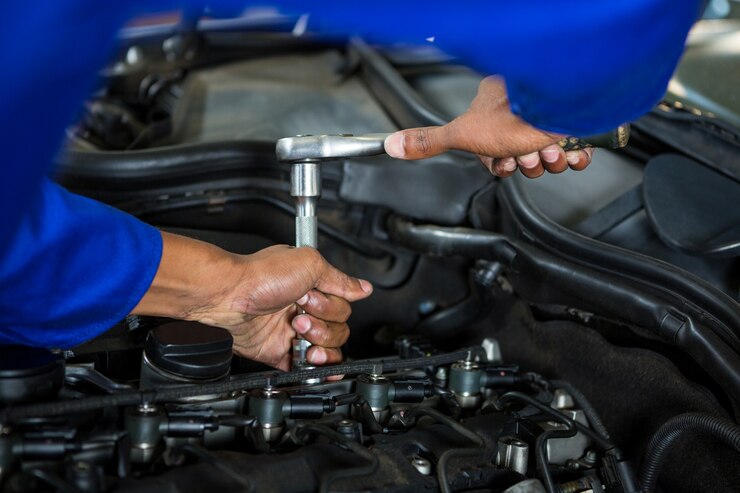
Your car’s transmission is one of its most vital components, responsible for shifting gears and keeping your engine running smoothly. But when things go wrong, many drivers ignore the early signs, risking costly damage. Recognizing the symptoms of transmission trouble and addressing them quickly can save you thousands in repairs.
In this guide, we’ll explain the key warning signs, types of transmission systems, and the best solutions for car transmission repair before issues escalate.
Why Transmission Health Matters
Your vehicle’s transmission controls the power from the engine to the wheels. Whether you drive an automatic or manual car, the transmission ensures your vehicle can change speed and direction efficiently. If it begins to fail, your car may struggle to shift gears, hesitate on acceleration, or make unusual noises.
A faulty transmission isn’t just a nuisance—it’s a safety hazard. Sluggish response or gear slipping can lead to accidents, particularly in high-speed traffic or during hill climbs. Maintaining your transmission not only keeps your car running efficiently but also protects you and your passengers on the road.
Common Signs of Transmission Problems
Catching transmission issues early can prevent serious mechanical failure. Here are the most common warning signs to look out for:
- Delayed or rough gear shifts: A telltale sign that something isn’t working correctly.
- Grinding or whining noises: Often signals worn-out gears or low transmission fluid.
- Fluid leaks under the car: Transmission fluid is typically red or brown and slippery.
- Burning smell: Overheated fluid or internal component failure could be the cause.
- Warning lights: A check engine or transmission light on your dashboard may indicate internal trouble.


If you notice any of these issues, it’s important to seek a professional inspection right away. Waiting too long can result in irreversible damage and higher repair bills.
Transmission Fluid: The Lifeblood of Your System
Just like engine oil, transmission fluid lubricates the moving parts within the system. It also provides hydraulic pressure and cooling. Over time, the fluid breaks down and loses effectiveness, leading to friction, heat, and wear.
Experts recommend checking your transmission fluid every 30,000 to 60,000 miles, depending on your vehicle. If it looks dark, smells burnt, or has particles floating in it, it’s time for a flush or change.
Maintaining proper fluid levels is one of the easiest ways to extend your transmission’s life.
Manual vs. Automatic Transmissions: What’s the Difference?
Both systems serve the same purpose but function differently. Manual transmissions rely on the driver to engage the clutch and change gears, while automatic transmissions shift gears on their own based on speed and load.
Manual transmissions typically require fewer frequent repairs but can suffer from clutch wear. Automatic transmissions, on the other hand, are more complex and may need specialized service. If you own an automatic vehicle and experience shifting issues, professional automatic transmission repair is often your best bet.
The Cost of Transmission Repair: What to Expect
Transmission repair costs can vary depending on the severity of the issue. Minor repairs like replacing fluid or fixing a seal might cost under $300. But if you need a full rebuild or replacement, the cost can reach $1,500 to $4,000 or more.
Factors influencing cost include:
- The make and model of your vehicle
- Type of transmission (manual or automatic)
- Labor rates in your area
- Whether parts are repaired or replaced
Getting a detailed estimate from a certified mechanic can help you make informed decisions about repairs.
When to Repair, Rebuild, or Replace
Not all transmission issues require a full replacement. In many cases, a repair or rebuild can restore function without breaking the bank. Here’s a quick breakdown:
- Repair: Ideal for small issues like solenoid or gasket replacement.
- Rebuild: Involves replacing worn parts within the existing transmission. A good option for moderate damage.
- Replacement: Necessary when the transmission is beyond repair or the cost of rebuilding exceeds that of a new unit.
A trusted mechanic can evaluate the damage and recommend the most cost-effective solution for your situation.
Conclusion
Your car’s transmission plays a critical role in how well your vehicle runs. Ignoring the warning signs can lead to major, costly problems. By understanding how the system works, recognizing the symptoms of failure, and taking proactive steps like fluid checks and timely service, you can protect your investment and stay safe on the road.
If you suspect transmission trouble, don’t delay. Seek expert guidance to determine the best repair option and keep your vehicle in top condition.