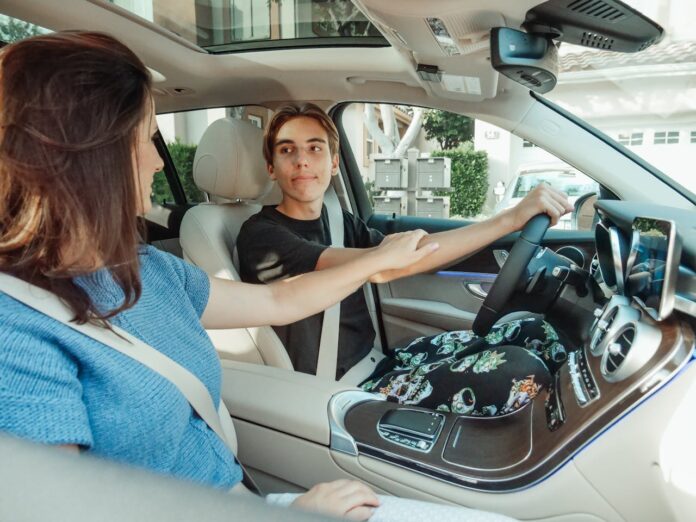
Road safety is essential for protecting yourself, your passengers, and others on the road. Traffic accidents can result in severe consequences, from injury to loss of life, and are often preventable with the right precautions and awareness. Whether you’re an experienced driver or a new one, practicing safe driving habits can make a significant difference in reducing the risk of accidents. Here are some important tips to help you stay safe on the road and avoid accidents.
Always Wear Your Seatbelt
Wearing your seatbelt is one of the simplest and most effective ways to protect yourself in the event of a crash. Seatbelts significantly reduce the risk of serious injury or death by keeping you securely positioned in your seat, minimizing the chances of being thrown from the vehicle during a collision. Make it a habit to buckle up before starting the car and encourage all passengers to do the same.
Avoid Distracted Driving
Distracted driving is a leading cause of accidents on the road. Common distractions include texting, talking on the phone, eating, or adjusting the radio while driving. These actions take your focus away from the road, increasing the likelihood of an accident. To stay safe, keep your attention fully on driving. Use hands-free devices if you need to take calls, pull over if you need to eat or adjust controls, and avoid texting altogether.
Follow Speed Limits and Adjust for Conditions
Speed limits are set for a reason—they are designed to keep traffic flowing safely and prevent accidents. Always obey the posted speed limits, and adjust your speed based on road conditions. If the weather is bad, visibility is poor, or traffic is heavy, slow down to ensure you have enough time to react to potential hazards. Driving too fast for the conditions can make it harder to stop in time and increases the severity of accidents.
Maintain a Safe Following Distance
Tailgating is a dangerous habit that increases the risk of rear-end collisions. Maintaining a safe following distance gives you more time to react if the vehicle in front of you suddenly stops or slows down. The general rule is to keep at least one car length for every 10 miles per hour you’re traveling. This simple adjustment can prevent accidents and give you enough space to brake safely in an emergency.
Be Aware of Blind Spots
Blind spots are areas around your vehicle that are not visible in your mirrors. It’s important to be aware of these areas, especially when changing lanes or merging onto highways. Before making any lane change, always check your mirrors and glance over your shoulder to ensure there are no vehicles in your blind spot. Using larger mirrors or additional blind-spot mirrors can also help improve your visibility and reduce the chances of an accident.
Use Turn Signals and Follow Traffic Signals
Proper signaling and obeying traffic signals are fundamental to road safety. Always use your turn signals when changing lanes, turning, or merging to let other drivers know your intentions. Failing to signal can cause confusion and increase the risk of accidents. Similarly, obey traffic lights and stop signs. Disregarding these signals can lead to dangerous intersections and collisions.
Stay Sober and Avoid Driving Under the Influence
Driving under the influence of alcohol or drugs impairs your ability to make quick decisions, react to hazards, and control your vehicle. Never drive if you’re feeling impaired or drowsy. If you plan to drink, use alternative transportation like taxis, ridesharing services, or a designated driver. Ensuring that you’re sober and alert when driving is one of the most important ways to keep yourself and others safe on the road.
Regularly Service Your Vehicle
A well-maintained vehicle is essential for road safety. Regularly servicing your car and checking critical components like brakes, tires, lights, and the engine can prevent mechanical failures that could lead to accidents. For example, worn-out brakes or bald tires can severely impact your ability to stop quickly and safely. Make sure to follow your vehicle’s maintenance schedule and address any issues promptly.
Adjust to Weather Conditions
Weather conditions like rain, snow, fog, or ice can create slippery roads and reduced visibility. Always adjust your driving habits when weather conditions are less than ideal. Slow down, increase your following distance, and use headlights when visibility is poor. When driving on icy or snow-covered roads, avoid sudden movements such as sharp turns or hard braking, which can cause your vehicle to skid.
Be Cautious Around Large Vehicles
Large vehicles such as trucks and buses have bigger blind spots and require more space to maneuver. When driving near these vehicles, avoid staying in their blind spots for long periods, especially on highways. If you can’t see the driver’s mirrors, they can’t see you. When passing large vehicles, do so quickly and safely, making sure there is enough distance between you and the truck before moving back into the lane.
Stay Calm and Patient
Aggressive driving, such as tailgating, speeding, or weaving in and out of traffic, is not only dangerous but also increases the risk of accidents. It’s essential to stay calm and patient, even in stressful situations like heavy traffic. If you feel frustrated or upset, take a deep breath and focus on staying in control. Avoid road rage and always be courteous to other drivers to help create a safer driving environment for everyone.
Final Words
Road safety is essential for preventing accidents and protecting lives. By following basic safety practices such as wearing your seatbelt, avoiding distractions, driving at safe speeds, and maintaining your vehicle, you can significantly reduce the risk of accidents. By being aware of your surroundings, obeying traffic laws, and staying calm behind the wheel, you contribute to a safer driving experience for yourself and others on the road.