Regular car maintenance is essential to ensure your vehicle remains reliable, efficient, and safe. Neglecting basic upkeep can lead to costly repairs and a shorter lifespan for your car. By following some essential maintenance practices, you can keep your vehicle in prime condition and enjoy a smoother driving experience.
Regularly Check and Change Engine Oil
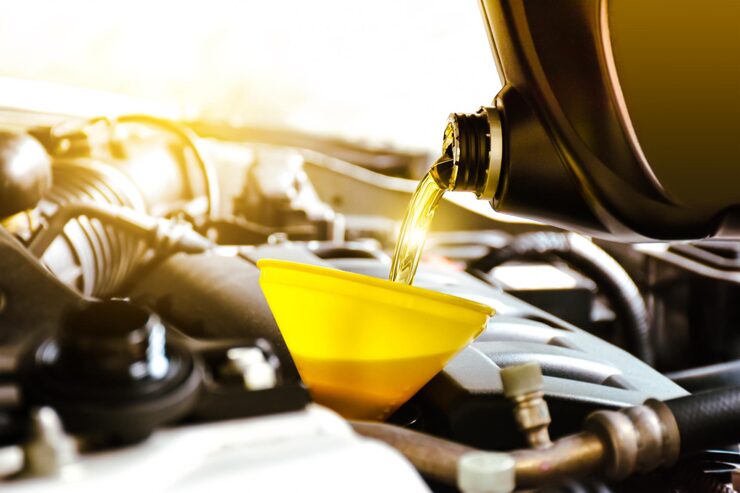
The engine oil is the lifeblood of your car, ensuring that all moving parts are well-lubricated and protected against wear and tear. Over time, oil degrades and becomes less effective. Regularly checking the oil level and condition can help you avoid engine damage.
Most manufacturers recommend changing the engine oil every 3,000 to 5,000 miles, though modern cars with synthetic oil may go longer intervals. Refer to your vehicle’s owner manual for specific guidelines and stick to the recommended schedule.
Monitor Tire Condition and Pressure
Tires play a crucial role in your car’s performance and safety. Inspect them regularly for signs of wear, such as uneven tread or cracks, which could indicate alignment or suspension issues. Proper tire pressure is equally important, as under-inflated or over-inflated tires can affect fuel efficiency and handling.
Use a tire pressure gauge to ensure your tires are inflated to the manufacturer’s recommended levels. Rotate your tires every 5,000 to 7,500 miles to promote even wear and extend their lifespan.
Keep an Eye on Fluid Levels
Your vehicle relies on several fluids to function correctly, including coolant, brake fluid, transmission fluid, and windshield washer fluid. Checking and topping off these fluids as needed can prevent mechanical failures and ensure smooth operation.
Pay particular attention to the coolant system, which regulates your engine’s temperature. Low coolant levels can lead to overheating, potentially causing significant engine damage. Flush and replace the coolant according to your vehicle’s maintenance schedule.
Replace Filters and Belts
Filters, including air, fuel, and cabin air filters, play a vital role in maintaining your car’s performance. Over time, these filters become clogged and reduce efficiency. Replacing them at regular intervals ensures optimal airflow and prevents contaminants from causing damage.
Belts and hoses should also be inspected periodically for signs of wear, such as cracks or fraying. Replacing worn components before they fail can save you from unexpected breakdowns and costly repairs.
Inspect Brakes Regularly
The braking system is one of the most critical safety features of your car. Worn brake pads, damaged rotors, or leaking brake fluid can compromise your ability to stop effectively. Listen for unusual noises, such as squeaking or grinding, which may indicate a problem with the brakes.
Have your brakes inspected by a professional at least once a year or whenever you notice performance issues. Addressing brake problems promptly ensures your safety and prolongs the life of the braking system.
Maintain the Battery
A healthy car battery is essential for reliable starts and proper operation of electrical components. Check the battery terminals for corrosion and ensure they are securely connected. Clean any buildup with a mixture of baking soda and water to maintain a strong connection.
Most car batteries last three to five years. If your battery is nearing the end of its lifespan, consider replacing it to avoid getting stranded unexpectedly.
Keep Your Car Clean
Regular washing and waxing not only keep your car looking good but also protect it from rust and corrosion. Dirt, road salt, and debris can accumulate on your car’s exterior, causing damage over time. Pay special attention to the undercarriage, where salt and moisture tend to collect.
Cleaning the interior is equally important. Vacuuming the carpets, wiping down surfaces, and conditioning leather seats prevent wear and maintain a comfortable environment.
Follow the Manufacturer’s Maintenance Schedule
Your car’s manufacturer provides a detailed maintenance schedule in the owner’s manual. This schedule includes essential services, such as oil changes, tire rotations, and inspections, tailored to your vehicle’s specific needs. Adhering to this schedule ensures that your car receives the care it requires to perform at its best.
Pay Attention to Warning Signs
Modern vehicles are equipped with advanced diagnostic systems that alert you to potential issues through dashboard warning lights. If you see a warning light, such as the check engine light, take it seriously and have your car inspected by a professional as soon as possible.
Ignoring warning signs can lead to more significant problems and higher repair costs. Addressing issues early ensures your car remains safe and efficient.