Your car’s brakes are essential for your safety, yet they are one of the most commonly neglected parts of vehicle maintenance. If you’ve ever felt your car respond slowly while braking, heard odd noises, or noticed a warning light, these could be red flags that your brake system needs attention. Ignoring these signs can lead to costly repairs—or worse, accidents. That’s why scheduling an auto brake repair at the first sign of trouble is a smart and necessary decision.
Squealing, Screeching, or Grinding Sounds
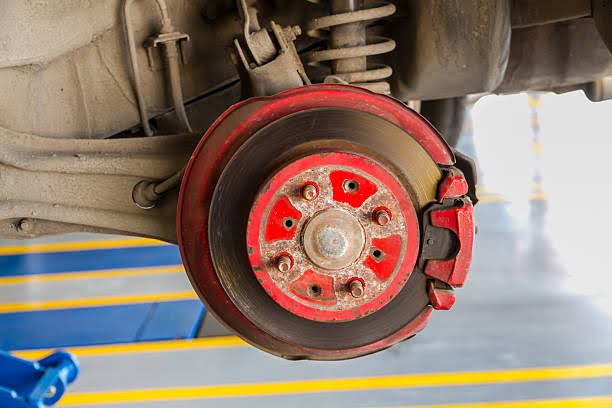
Brakes are designed to make some noise as a built-in warning mechanism. A high-pitched squeal typically indicates worn brake pads. This sound happens when a small metal shim (called an indicator) makes contact with the rotor. If you hear grinding, it could mean the brake pads are worn down completely, and metal is scraping on metal. This can damage your rotors and lead to much more expensive repairs if left unaddressed.
Brake Pedal Feels Different
The feel of your brake pedal can tell you a lot about the condition of your braking system. If the pedal feels soft, spongy, or takes longer to respond, there could be air or moisture in the brake lines. A sinking pedal may point to a fluid leak or a failing master cylinder. Any abnormal pedal feel should be inspected immediately by professionals to avoid brake failure.
Vehicle Takes Longer to Stop
Have you noticed your car isn’t stopping as quickly as it used to? A longer stopping distance could be a sign of worn pads, contaminated brake fluid, or failing calipers. This is especially dangerous in emergency situations when you need full braking power. Don’t assume it’s just “in your head”—get it checked by a certified brake repair shop to restore safety and performance.
Car Pulling to One Side While Braking
When your car veers to one side while braking, it could indicate uneven brake pad wear, a stuck caliper, or uneven hydraulic pressure. This imbalance not only affects your driving experience but also creates a major safety hazard. It’s important to have both sides of your braking system checked to ensure even performance.
Brake Warning Light Is On
If the brake warning light illuminates on your dashboard, take it seriously. This warning could be triggered by several issues, including low brake fluid, worn brake pads, or problems in the anti-lock braking system (ABS). A diagnostic scan will help determine the root cause, but ignoring it could result in full system failure.
Vibration or Pulsing While Braking
If you feel a vibration in the brake pedal or steering wheel while braking, it might be due to warped rotors. Excessive heat or prolonged usage can cause rotors to wear unevenly, leading to vibration and reduced braking performance. Getting your rotors resurfaced or replaced is often necessary to fix this issue.
Burning Smell After Heavy Braking
A sharp, chemical-like burning smell after hard braking or during steep descents could indicate overheated brake components. This can lead to “brake fade,” a dangerous condition where your braking power is greatly reduced. If this happens, it’s best to pull over safely, allow the brakes to cool, and schedule a prompt inspection.
Fluid Leaks Near the Tires
Brake fluid is essential to the proper operation of your brake system. If you notice fluid puddling under your vehicle, especially near the wheels, it could be a brake line or master cylinder leak. This should be addressed immediately, as low fluid levels can lead to a complete loss of braking ability.
Why Timely Brake Repair Matters
Delaying brake repairs not only increases the risk of a breakdown or collision but also raises repair costs. What starts as a simple pad replacement could quickly escalate into full rotor and caliper replacements. Preventive care through regular inspections helps ensure your brake system stays reliable and safe. Expert mechanics can catch problems early and recommend cost-effective solutions.
Choosing a Trusted Brake Specialist
Not all auto shops offer the same level of quality when it comes to brakes. Look for ASE-certified technicians, transparent pricing, and a good reputation for honesty and reliability. A dependable brake repair shop will inspect your entire braking system—including pads, rotors, calipers, and fluid—before making any recommendations. They’ll explain the issue and offer a clear repair plan without pushing unnecessary add-ons.
Conclusion
Your braking system is crucial to your driving safety and should never be taken for granted. Strange noises, warning lights, longer stopping distances, and odd pedal behavior are all signs that shouldn’t be ignored. The longer you wait, the higher the risk and cost. Schedule regular inspections and address any issues quickly with a qualified professional. Knowing the signs and acting early ensures your brakes perform as they should—every time you hit the road.