


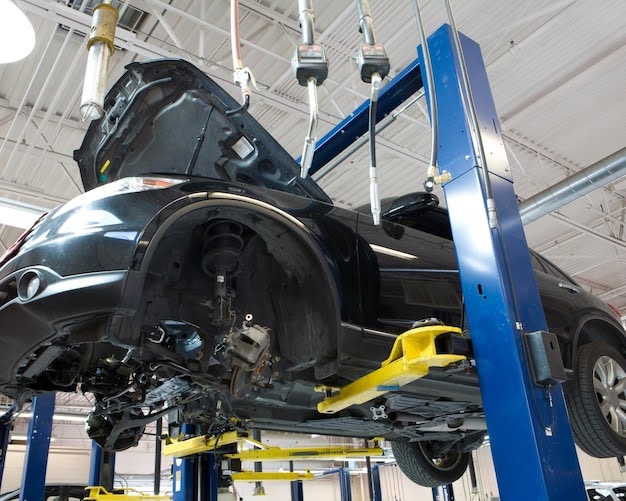
Whether it’s a minor fender bender or a major crash, vehicle damage can be frustrating. But getting your car back on the road is possible with the right knowledge about auto collision repair. This process not only restores your vehicle’s appearance but also ensures its safety, structural integrity, and long-term value. In this guide, we’ll walk you through the essentials of collision repair—what it involves, when it’s necessary, and why professional help is key.
Auto accidents can leave more than just visible damage. Even after a small incident, your vehicle may suffer from hidden problems in its frame, suspension, or electronics. That’s why auto collision repair is about more than just aesthetics—it’s a matter of safety and performance.
Types of Collision Repair Services
Not all collision repairs are created equal. The extent of service depends on the severity of the damage and the type of vehicle. Here are the most common repair types:
1. Dent and Scratch Removal
Minor impacts often cause dents and scratches, especially on bumpers and doors. Technicians use paintless dent repair (PDR) or traditional bodywork to smooth out the damage and repaint affected areas.
2. Frame Straightening
In severe accidents, the vehicle’s frame can bend or warp. Frame straightening involves using precision machines to bring the car’s structure back to factory specifications.
3. Panel Replacement
When a part like a door, fender, or hood is too damaged to fix, it’s replaced entirely. This ensures both visual appeal and structural safety.
4. Paint Matching and Refinishing
Repainting damaged areas involves computer-matched paint formulas for a seamless blend. This step is critical to restoring your car’s original look.
5. Mechanical Repairs
Accidents can also harm internal components such as brakes, suspension, or steering. These repairs require a blend of auto body and mechanical expertise.
The Importance of Professional Collision Repair
After a crash, it may be tempting to choose the cheapest option or try a DIY fix. However, relying on certified professionals ensures that:
- Repairs meet manufacturer standards
- Warranty and insurance coverage remain valid
- Advanced driver-assistance systems (ADAS) are correctly recalibrated
- Structural integrity is fully restored
Modern cars come equipped with complex systems that require specialized tools and experience to repair. Poor workmanship can result in long-term performance issues, uneven panel gaps, or mismatched paint, reducing your vehicle’s resale value.
Choosing a shop experienced in collision repair las vegas ensures that your car receives high-quality attention from trained technicians. Las Vegas roads can be tough, and you need repairs that stand up to both daily driving and unexpected hazards.


Insurance and Collision Repair
Many drivers are unsure of how the insurance process works when it comes to collision repair. Here’s a brief overview:
- File a Claim: Start with your insurance provider. They will assess the damage and determine coverage.
- Get an Estimate: Most reputable repair shops offer free damage assessments.
- Approval and Work: After insurance approval, work begins. Some shops work directly with insurance companies to simplify the process.
Remember, you have the legal right to choose your repair facility, regardless of your insurer’s recommendations.
Tips for Choosing the Right Repair Shop
Picking the right collision repair facility can save you time, money, and stress. Look for these qualities:
- Certified technicians (ASE, I-CAR)
- Warranty on repairs
- Positive customer reviews
- Free estimates
- Insurance collaboration
- Transparent pricing and timelines
Ask about turnaround times, parts quality, and whether they use OEM (Original Equipment Manufacturer) parts for replacements.
Conclusion: Drive Confidently with Quality Repair
Collision damage can be overwhelming, but understanding the basics of auto collision repair empowers you to make informed decisions. From small dents to major structural repairs, professional services restore your car’s appearance and safety. If you’re in an area like Las Vegas, selecting an expert in collision repair in Las Vegas ensures you get top-quality workmanship suited to your needs. Don’t settle for less—your safety and your vehicle’s value depend on it.