Colorado is currently witnessing a massive injection of capital into public and private infrastructure. From expanding highways to modernizing public schools, the state is under construction. This surge in spending is good news for general contractors, but it is even better news for the specialized tradespeople who make these buildings functional.
The Ripple Effect on Specialized Trades
While cranes and concrete mixers are the visible signs of construction, the internal systems of these new structures represent a huge portion of the work. Modern building codes in Colorado are stricter than ever regarding energy efficiency, placing a heavy burden on mechanical contractors.
Beyond the Frame and Foundation
A building is only as good as its mechanical systems. As new hospitals, schools, and transit hubs are built, the complexity of their climate control systems increases. This has led to a situation where mechanical subcontractors are as vital as the structural engineers.
Where the Opportunities Are
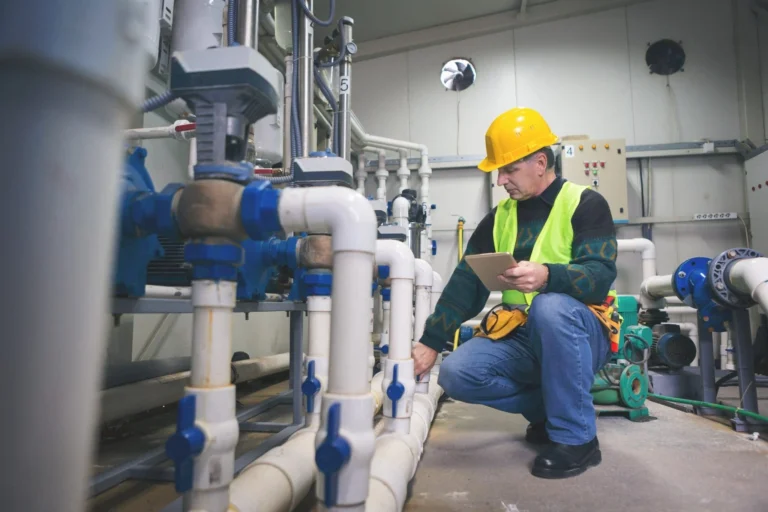
The demand is high across the board, but mechanical trades are seeing specific pressure. Commercial projects require massive ventilation systems, while residential sprawl demands endless residential installs.
Recruiters are currently scrambling to fill positions. Whether you are a pipefitter, a sheet metal worker, or specifically looking for hvac jobs denver, the sheer volume of infrastructure projects guarantees that skilled hands will remain busy for years to come.
Conclusion
Infrastructure spending is the engine driving Colorado’s economy in 2026. For skilled tradespeople, this translates to job security, higher wages, and the chance to shape the future of the state’s built environment.